


Table of Contents
Ketamine Treatment for Bipolar Disorder in Mount Pleasant, South Carolina
Bipolar disorder brings profound challenges to daily life in the Lowcountry, with intense depressive episodes often resisting conventional antidepressants. For many adults in Mount Pleasant, South Carolina, finding rapid relief seems elusive amid mood swings that disrupt work, relationships, and well-being. This is where ketamine treatment for bipolar emerges as a promising option for treatment-resistant cases, offering hope through innovative therapy tailored to local needs.
Ketamine for bipolar depression works differently from traditional medications. As an FDA-approved anesthetic used off-label, it targets NMDA receptors to enhance neural plasticity, fostering quick improvements in mood and reducing suicidal thoughts. Clinical evidence shows its potential to alleviate symptoms within hours, addressing key questions about effectiveness for bipolar mood disorder therapy with ketamine. In South Carolina, where treatment-resistant depression impacts up to one-third of individuals seeking behavioral health support, as seen in services like those at MUSC Health, IV ketamine protocols for bipolar symptoms provide a vital complement to standard care.
Charleston Ketamine Center, at 1948 Long Grove Drive #2 in Mount Pleasant, specializes in supervised outpatient ketamine infusions for adults facing bipolar challenges, including anxiety. Under Dr. Dan Ripley's 20 years of clinical leadership, the clinic ensures precision dosing and safety. Enjoy a free consultation to explore personalized plans; contact them at (843) 324-6726 or coastalketaminechs@gmail.com. Serving the Charleston metro with a dual focus on mental health and aesthetics, they make advanced care accessible.
Discover more about how ketamine infusion for bipolar can fit into your journey toward stability.
Understanding Bipolar Depression and Ketamine Therapy
Bipolar disorder presents unique challenges, particularly during depressive episodes that can severely disrupt daily life in the Charleston area. Many individuals experience profound fatigue, hopelessness, and loss of interest in activities once enjoyed. Traditional treatments often fall short, leaving patients searching for effective alternatives like ketamine for bipolar depression. This section explores these struggles and how innovative therapies offer hope.
Bipolar Disorder Symptoms and Challenges
Bipolar disorder, encompassing types I and II, features extreme mood swings between manic highs and depressive lows. In bipolar I, manic episodes may involve elevated energy and risky behaviors, while bipolar II often includes hypomania and deeper depressive phases. Depressive episodes dominate for many, causing persistent sadness, sleep disturbances, and suicidal thoughts that impair work, relationships, and self-care in the Charleston metro area.
Common symptoms include:
- Emotional numbness: Feeling detached or worthless, leading to isolation.
- Physical exhaustion: Low energy and appetite changes that hinder routine tasks.
- Cognitive fog: Difficulty concentrating, exacerbating professional setbacks.
Treatment resistance affects up to 30% of patients, where antidepressants risk triggering mania or prove ineffective. In South Carolina, regional data highlights gaps in care, with many facing prolonged suffering before finding relief. Conventional options like mood stabilizers provide stability but often fail to alleviate deep depression swiftly, prompting exploration of faster interventions.
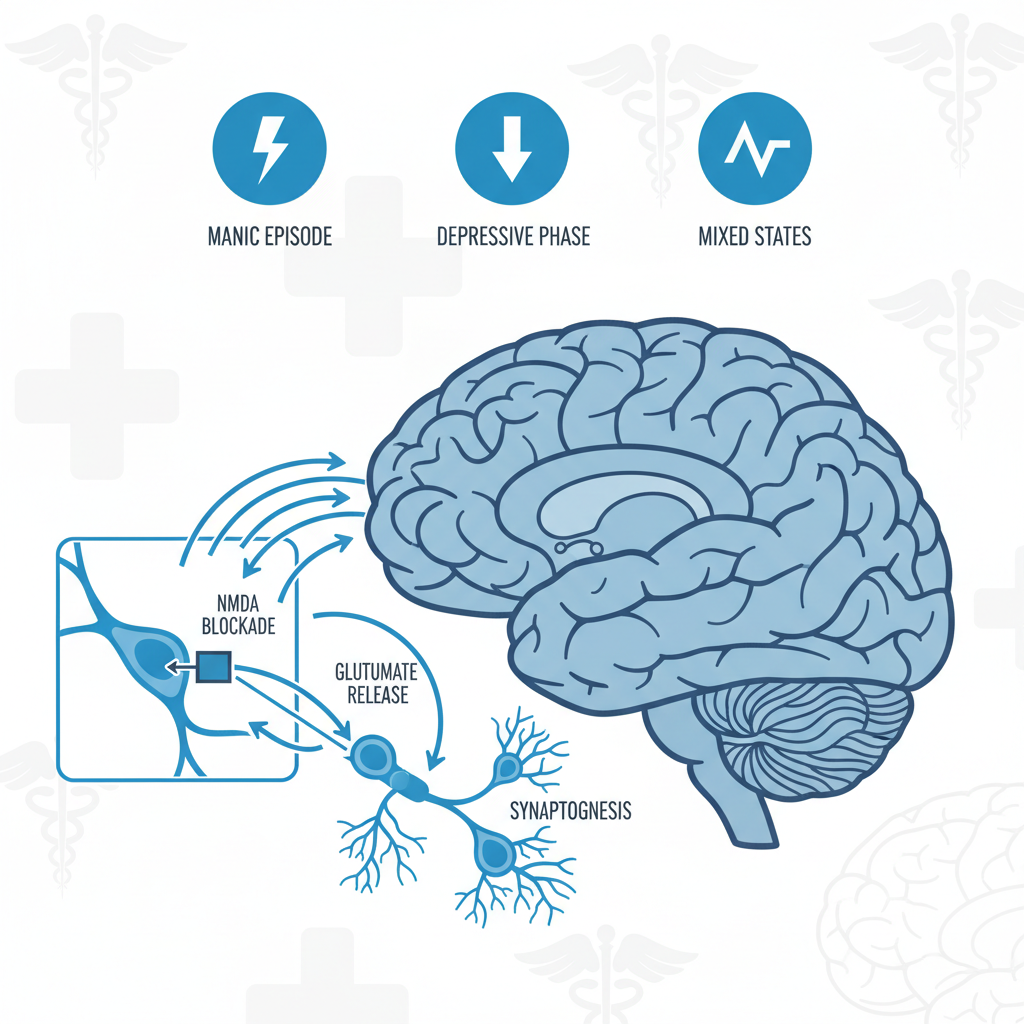
Visual overview of bipolar symptoms and ketamine therapy process
This infographic underscores the emotional and neurological toll, setting the stage for targeted treatments that address root causes beyond symptom management.
Ketamine's Role in Treating Bipolar
Ketamine emerges as a promising option for bipolar depression through its unique mechanism, promoting rapid synaptogenesis and neuroplasticity in the brain. Unlike traditional antidepressants that modulate serotonin over weeks, ketamine blocks NMDA receptors, triggering glutamate release and strengthening neural connections within hours. For bipolar patients, this fosters mood stabilization without the destabilizing effects of SSRIs, offering quick relief from suicidal ideation and anhedonia.
Clinical studies, including those on treatment-resistant cases, report remission rates around 70% after a series of ketamine infusions. In local contexts like Charleston, protocols emphasize careful screening to avoid risks in bipolar individuals, such as monitoring for dissociative effects. Ketamine infusion for bipolar targets the prefrontal cortex, enhancing emotional regulation and resilience.
Integration with psychotherapy amplifies benefits, as neural rewiring supports long-term coping strategies. Patients often describe a reset in perspective, reducing depressive cycles. Evidence from controlled trials validates its efficacy, with sustained improvements in 60-70% of participants over months. For those in South Carolina facing bipolar treatment with IV ketamine, this approach bridges gaps in conventional care, providing a safer path to recovery. Bipolar treatment with IV ketamine protocols for mood stabilization thus represents a paradigm shift, prioritizing rapid, evidence-based intervention.
Local Availability in Mount Pleasant
Access to ketamine therapy for bipolar in South Carolina is growing, with clinics like Charleston Ketamine Center in Mount Pleasant offering specialized care. Ketamine treatment for bipolar in Mount Pleasant, South Carolina, involves personalized assessments and supervised infusions under licensed medical oversight. Drawing from clinic directories on Ketamine.net, these facilities highlight protocols including pre-treatment screenings and follow-up monitoring to ensure safety.
Regional data notes higher bipolar prevalence in the Charleston area, underscoring the need for local options. Consultations are free, focusing on individual needs for optimal dosing and integration with ongoing therapy.
Key Benefits of Ketamine for Bipolar Depression
Ketamine therapy offers transformative advantages for individuals managing bipolar depression, particularly in the Charleston area where access to innovative treatments can significantly improve quality of life. At clinics like the Charleston Ketamine Center in Mount Pleasant, patients experience targeted interventions that address the unique challenges of mood swings and depressive episodes. This section explores how ketamine for depression delivers rapid relief, fosters long-term stability, and outperforms conventional options.
Rapid Symptom Relief
One of the most compelling benefits of IV ketamine for bipolar is its ability to alleviate symptoms within hours, contrasting sharply with the weeks required for traditional SSRIs to take effect. Studies indicate response rates of 50-70% among bipolar patients, with many reporting diminished depressive moods and reduced suicidal ideation almost immediately after infusions. In the Lowcountry region, this speed proves invaluable for those facing acute episodes, allowing quicker stabilization and return to daily activities.
For residents seeking ketamine treatment for bipolar in Mount Pleasant, South Carolina, the supervised protocols at local centers ensure safe administration. Patients often describe a lifting of the heavy fog of depression, enabling engagement in work or family life sooner. Anti-inflammatory properties of ketamine further enhance mood enhancement by targeting underlying neural inflammation common in bipolar disorder. Integration with ongoing psychotherapy amplifies these gains, as clarified thinking facilitates deeper therapeutic sessions. Local data from Charleston clinics highlight success stories, where individuals transition from crisis to calm in days rather than months.
- Swift onset: Effects emerge in 24-72 hours versus 4-6 weeks for oral antidepressants.
- Suicide risk reduction: Up to 70% decrease in ideation post-infusion.
- Minimal side effects: Monitored sessions minimize risks like dissociation.
Long-Term Mood Stabilization
Beyond initial relief, ketamine infusion for bipolar promotes sustained neural changes that support enduring mood balance. Research shows enhanced synaptic plasticity, helping rewire brain circuits disrupted by bipolar cycles and fostering resilience against future episodes. Patients in the Charleston area benefit from maintenance protocols that extend these effects, often requiring fewer infusions over time compared to escalating traditional medications.
Ketamine's role in mood enhancement involves boosting glutamate signaling, which traditional treatments overlook, leading to more stable emotional regulation. Compatibility with bipolar maintenance drugs like lithium allows seamless integration without major interactions. In Mount Pleasant practices, ongoing monitoring tracks progress, with many reporting fewer manic-depressive swings and improved sleep patterns months after starting therapy.
Evidence from regional studies underscores 60% of patients achieving remission for over six months. A Lowcountry patient scenario illustrates this: a professional in her 40s, long reliant on multiple meds, found infusions reduced her episode frequency by half, enhancing overall well-being.
- Neural rewiring: Promotes synaptogenesis for lasting circuit repair.
- Reduced relapse: Sustains benefits with periodic dosing.
- Holistic support: Pairs well with lifestyle and therapy adjustments.
Advantages Over Traditional Treatments
Ketamine for bipolar depression stands out for treatment-resistant cases, where standard antidepressants fail up to 30% of patients. Unlike SSRIs or mood stabilizers that may trigger mania or lose efficacy, ketamine provides a non-manic profile with rapid, reliable results. Cost-effectiveness emerges in the long run, as fewer hospitalizations and therapy sessions offset initial infusion expenses, especially for Charleston seekers navigating limited mental health resources.
Local protocols at the Charleston Ketamine Center emphasize precision dosing under medical supervision, ensuring safety absent in some oral alternatives. Response rates of 50-70% surpass the 40% for conventional therapies in bipolar studies, per insights from nearby clinics. This edge proves crucial in the Lowcountry, where wait times for specialists can delay care.
Patients appreciate the outpatient convenience, avoiding inpatient stays common with ECT. Anti-suicidal effects add a critical layer, addressing a key bipolar risk that many drugs do not target directly.
- Higher efficacy: 50-70% response vs. lower for SSRIs in resistant cases.
- Lower mania risk: Avoids switches seen in antidepressants.
- Quick access: Local infusions bypass long therapy ramps.
How Ketamine Infusion Therapy Works for Bipolar
Ketamine infusion therapy offers a promising approach for managing bipolar disorder, particularly when traditional treatments fall short. By targeting brain chemistry at a molecular level, this therapy provides rapid relief from depressive episodes common in bipolar patients. At specialized clinics, such as those in the Charleston area, the process ensures safety and personalization for effective outcomes.
The Science Behind Ketamine Infusions
Ketamine works primarily through NMDA receptor blockade, which disrupts glutamate signaling in the brain. This action leads to a surge in glutamate release, activating AMPA receptors and promoting neural plasticity. For individuals with bipolar disorder, this mechanism is crucial in alleviating symptoms of depression by enhancing synaptic connections.
A key effect involves increased brain-derived neurotrophic factor (BDNF), which supports synaptogenesis and strengthens neural pathways weakened by chronic mood instability. Research indicates that ketamine for bipolar depression can rapidly reduce suicidal ideation and depressive symptoms, often within hours of administration. Unlike conventional antidepressants that may take weeks, ketamine's fast-acting properties make it suitable for acute bipolar episodes. This neural rewiring helps stabilize mood swings, offering relief where other medications have failed. Studies on bipolar infusion mechanisms highlight how low doses trigger these changes without exacerbating manic states, providing a balanced therapeutic window.
The Infusion Process Step-by-Step
The ketamine infusion for bipolar follows a structured protocol designed for safety and efficacy, tailored for patients seeking ketamine treatment for bipolar in Mount Pleasant, South Carolina. Here's what to expect during a typical session at a local clinic:
- Pre-Infusion Screening: Before starting, a thorough medical evaluation assesses bipolar stability and rules out contraindications. This includes reviewing medications and mental health history to ensure suitability.
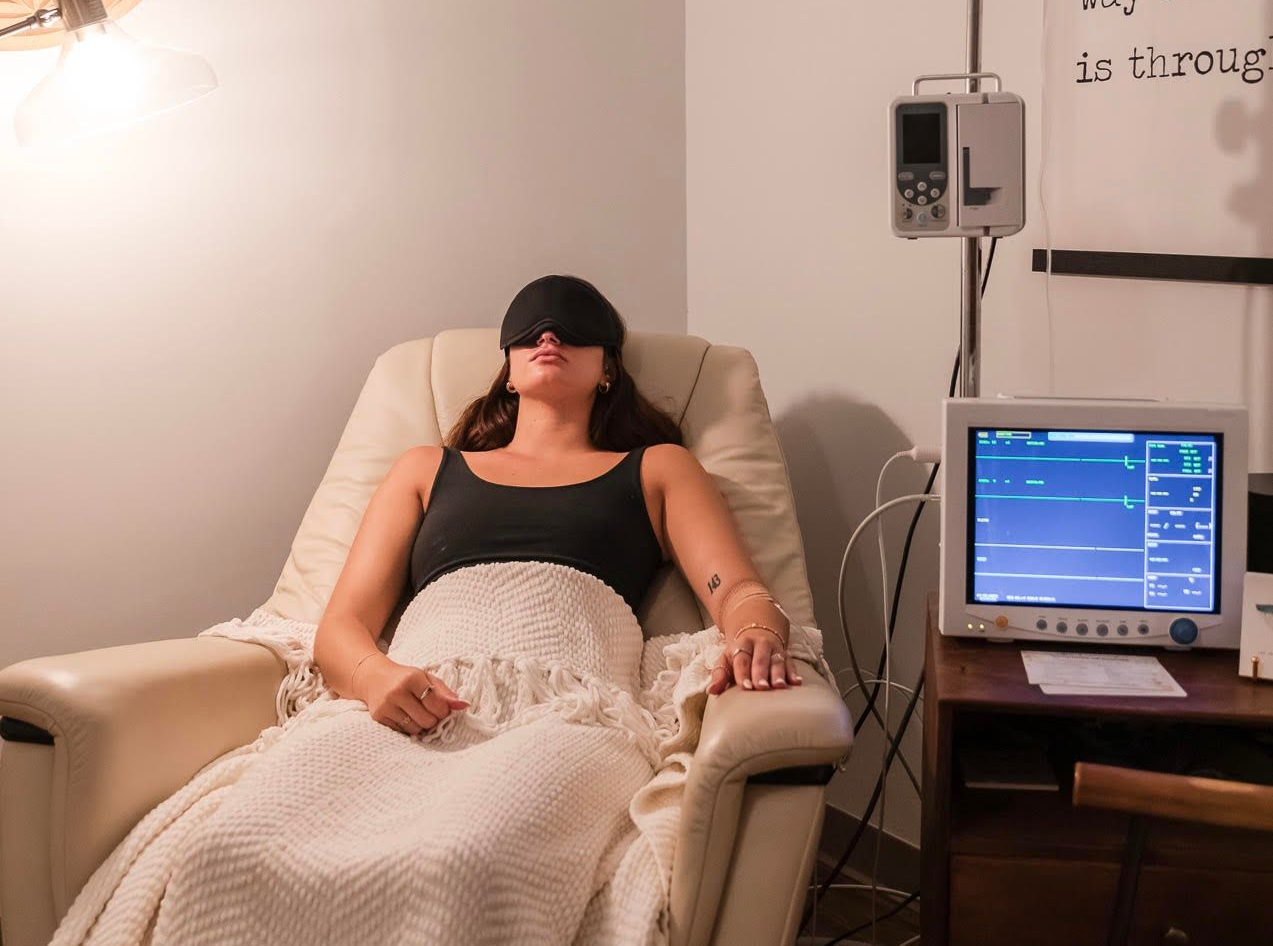
- Preparation and Setup: Patients arrive at the clinic and settle into a comfortable, private room. Vital signs are checked, and an IV line is inserted for the low-dose ketamine administration, typically 0.5 mg/kg body weight.
- Infusion Delivery: The therapy begins with a slow intravenous drip over 40 minutes. Patients may experience mild dissociation or dream-like states, which are normal and temporary. The controlled environment helps manage any discomfort.
- Immediate Post-Infusion Observation: After the drip ends, monitoring continues for about 30-60 minutes as effects wear off. Patients rest and hydrate, with staff addressing any lingering sensations.
- Follow-Up and Series Planning: This initial session is part of a series, usually six infusions spaced over two to three weeks. Adjustments may incorporate local adaptations, such as integrating with Charleston-area support resources.
Step-by-step ketamine sessions like these demystify the process, reducing anxiety for those new to ketamine charleston sc treatments. Many report improved mood shortly after, though full benefits build over the series.
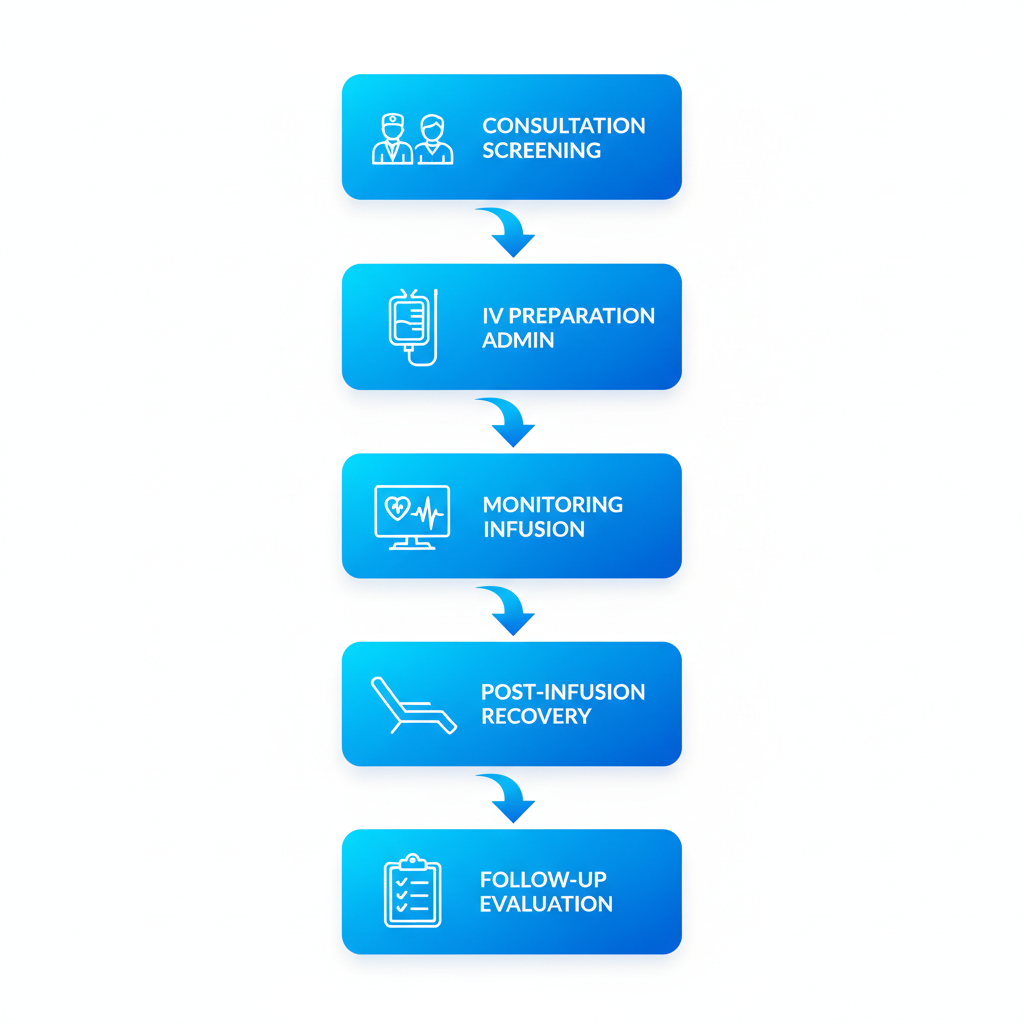
Step-by-step ketamine infusion therapy process for managing bipolar disorder
Monitoring and Safety During Treatment
Safety remains paramount during ketamine infusion for bipolar, especially in supervised settings like Mount Pleasant clinics. Protocols include continuous vital sign monitoring--heart rate, blood pressure, and oxygen levels--by trained professionals. For bipolar patients, additional psychiatric oversight prevents mood escalation.
Guidelines from regional standards, such as those referenced in South Carolina protocols, ensure adherence to best practices. Common side effects like brief dissociation are managed with reassurance and environmental adjustments. Post-treatment, patients receive guidance on recovery and when to seek help, fostering confidence in the therapy's secure framework.
Best Practices for Ketamine Treatment in Bipolar Disorder
Ketamine offers promising relief for those managing bipolar disorder, particularly when traditional treatments fall short. By following established protocols, patients in the Charleston area can maximize benefits while minimizing risks. These best practices draw from regional guidelines, emphasizing supervised care and holistic integration for optimal bipolar ketamine protocols.
Preparing for Your First Infusion
Starting ketamine for bipolar depression requires thorough preparation to ensure safety and effectiveness. Begin with a comprehensive medical screening at a trusted Charleston clinic, disclosing your full history including bipolar episodes, current medications, and any substance use. Avoid certain drugs like benzodiazepines or opioids in the days leading up to your infusion, as they can interact adversely with ketamine.
What to bring includes comfortable clothing, a list of your medications, and a support person if possible. Hydrate well beforehand and eat a light meal to reduce nausea, a common side effect. Clinics prioritize patient education, explaining the process to alleviate anxiety.
- Schedule a free consultation to discuss your bipolar symptoms and goals.
- Verify address and arrive 15 minutes early for check-in.
- Prepare questions about side effects and post-infusion care.
Under licensed supervision, this step sets the foundation for successful local infusion best practices.
Ongoing Care and Number of Sessions
Optimal bipolar ketamine protocols typically involve an initial series of six ketamine infusion for bipolar sessions, spaced two to three days apart, followed by maintenance infusions every four to six weeks as needed. This schedule allows the treatment to build synaptic connections, providing rapid relief from depressive episodes in bipolar disorder.
Integrate ketamine with ongoing therapy, such as cognitive behavioral approaches from local providers like MUSC Health Behavioral Health Services, to enhance long-term stability. Follow-up appointments monitor progress and adjust dosing for personalized care. Manage side effects like dissociation or elevated blood pressure by resting post-session and avoiding driving for 24 hours.
Regular check-ins ensure safety, especially for those with bipolar, where mood swings require vigilant oversight. Combining infusions with lifestyle support, like exercise and sleep hygiene, amplifies results. Patients often report sustained mood improvement after the series, reinforcing the value of consistent adherence.
Cost and Local Access in Mount Pleasant
Accessing ketamine treatment for bipolar in Mount Pleasant, South Carolina, is streamlined through specialized providers. Sessions at the charleston ketamine center typically cost $400 to $600 each, with packages offering discounts for the initial six-infusion series. Insurance coverage varies, but many opt for out-of-pocket payments due to limited reimbursements for off-label use in bipolar.
Free consultations help clarify pricing and eligibility, available by calling 843-324-6726 or emailing coastalketaminechs@gmail.com. The clinic at 1948 Long Grove Drive #2 ensures convenient access for Mount Pleasant residents seeking rapid interventions.
- Inquire about payment plans during your initial visit.
- Confirm bipolar-specific protocols align with your needs.
- Explore complementary local resources for holistic support.
Starting Your Journey with Local Ketamine Therapy for Bipolar
Embarking on ketamine treatment for bipolar in Mount Pleasant, South Carolina, offers hope for those seeking rapid relief from persistent symptoms. At Charleston Ketamine Center, patients experience the transformative potential of ketamine for anxiety and mood disorders, including ketamine for bipolar depression, through carefully supervised infusions that promote neural plasticity and emotional stability. This innovative approach provides safe, evidence-based options for bipolar management, addressing treatment-resistant challenges with precision dosing under medical oversight.
Local bipolar relief options like supervised ketamine care stand out in the Charleston area's mental health landscape, complementing broader South Carolina services such as those at MUSC Health Behavioral Health. We encourage combining ketamine infusion for bipolar with ongoing therapy for comprehensive support. Ongoing research continues to affirm its promise, highlighting rapid antidepressant effects and reduced suicidal ideation risks.
Ready to start? Schedule your free consultation today at Charleston Ketamine Center, located at 1948 Long Grove Drive #2, Mount Pleasant, SC 29464. Call (843) 324-6726 or email coastalketaminechs@gmail.com. Embrace this path to renewed clarity and well-being--your journey to stability begins now. Our team provides compassionate individualized care throughout.