



Table of Contents
Exploring Ketamine Therapy for Bipolar Disorder
Bipolar disorder affects millions, causing intense mood swings between manic highs and depressive lows that disrupt daily life. Challenges like treatment resistance and rapid cycling often leave individuals searching for effective options. Ketamine treatment for bipolar emerges as a promising approach, particularly for those unresponsive to traditional medications.
At Charleston Ketamine Center in Mount Pleasant, South Carolina, located at 1948 Long Grove Drive #2, adults receive personalized ketamine for bipolar therapy through supervised IV infusions. This off-label treatment targets bipolar depression with rapid antidepressant effects, helping manage symptoms like severe mood instability. Precision dosing and integration with behavioral support ensure safe, tailored care, addressing common concerns about suitability and oversight.
Studies, including those referenced by Healthline, show response rates up to 70% in treatment-resistant cases, offering hope for quicker relief from depressive episodes. Is ketamine therapy safe for people with bipolar disorder? Initial screenings and professional monitoring at the center minimize risks, making it a viable option for Charleston-area residents.
This guide explores the mechanisms, benefits, and best practices of ketamine infusions for mood disorders. Discover how bipolar symptom management with ketamine can transform lives, and learn more by calling (843) 324-6726 for a consultation.
Understanding Bipolar Disorder Treatment Challenges
Bipolar disorder presents unique hurdles in mental health care, marked by extreme mood shifts that disrupt daily life. Traditional treatments often struggle to provide consistent relief, prompting exploration of options like ketamine therapy. This section examines key symptoms, shortcomings of standard approaches, and how local facilities address these issues for patients in Charleston, South Carolina.
Core Symptoms and Diagnostic Criteria
Bipolar disorder involves cycles of intense emotional highs and lows, resembling unpredictable weather patterns that can upend routines. Bipolar I features full manic episodes with elevated mood, increased energy, and risky behaviors, while Bipolar II includes hypomanic states and deeper depressive phases. Mixed episodes blend mania and depression, creating agitation and despair simultaneously.
Diagnostic tools like the DSM-5 criteria require tracking episode duration and severity, often through clinical interviews and mood charts. Accurate assessment is essential, as misdiagnosis can delay effective care. For instance, a patient experiencing irritability and severe ketamine for bipolar depression might initially seem to have unipolar depression.
- Manic symptoms: Euphoria, rapid speech, reduced sleep needs.
- Depressive symptoms: Hopelessness, fatigue, suicidal thoughts.
- Mixed states: Anxiety with high energy.
Verywell Mind emphasizes that precise diagnosis prevents inappropriate treatments, underscoring the need for professional evaluation before advanced interventions.
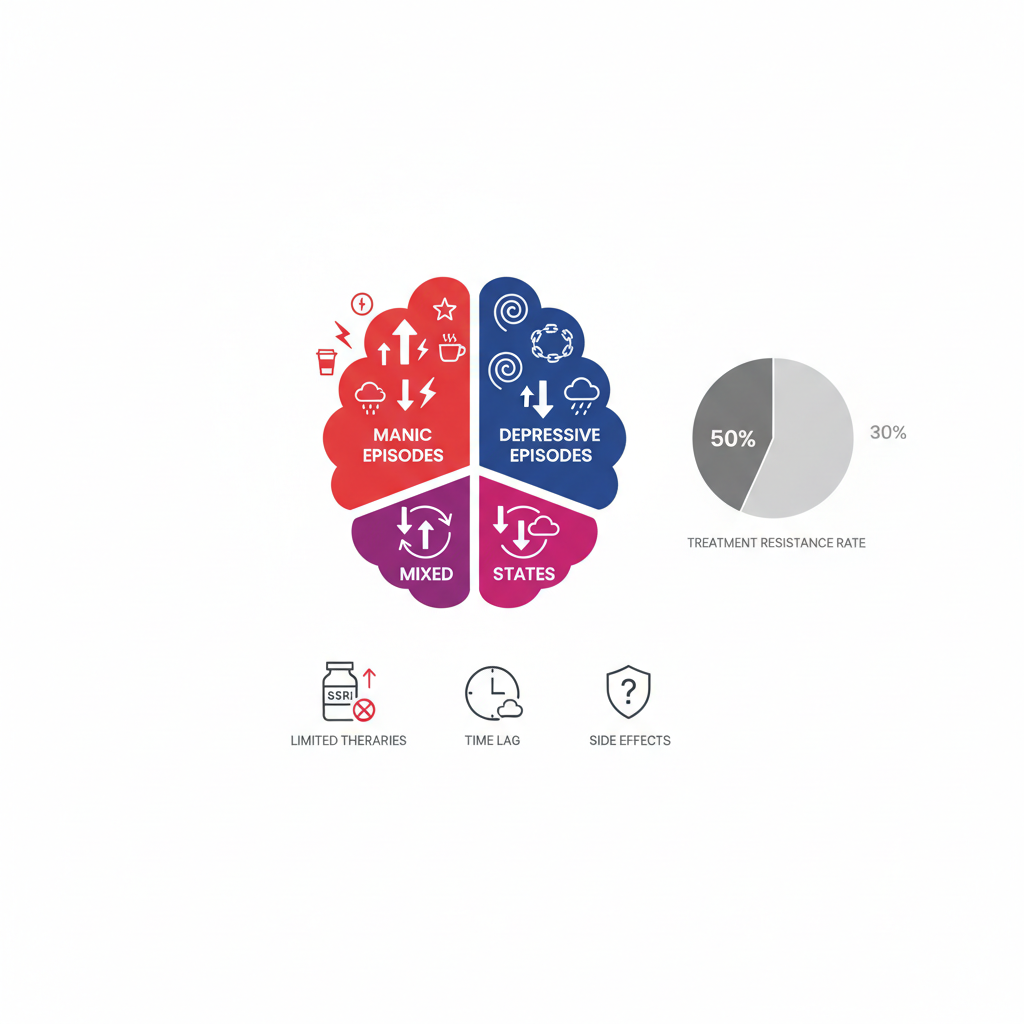
Visualizing challenges in bipolar disorder treatment
Limitations of Traditional Therapies
Standard treatments like antidepressants and mood stabilizers help many, but up to 30-50% of patients face treatment resistance, per Verywell Mind data. Selective serotonin reuptake inhibitors (SSRIs) can paradoxically trigger mania in bipolar cases, worsening cycles instead of stabilizing mood. Mood stabilizers such as lithium manage mania effectively but often inadequately address depressive episodes, leaving persistent low moods.
Consider a scenario where a Charleston resident on antidepressants experiences intensified irritability; this illustrates the gap in rapid relief. Traditional therapies require weeks to show effects, inadequate for acute episodes. Alternative bipolar therapies are sought when these fail, with integration of psychotherapy adding value but not always sufficient alone.
Clearmind Treatment notes that combining medications demands careful monitoring to avoid side effects like weight gain or cognitive fog. These limitations highlight the 40-60% non-response rate in clinical trials, setting the stage for rapid-acting mood stabilizers. For treatment-resistant cases, innovative options emerge as necessary.
Role of Specialized Centers in Charleston
Outpatient facilities like the Charleston Ketamine Center fill these voids by offering personalized evaluations for bipolar patients. Initial screenings review medical history, current symptoms, and prior treatments to ensure safety. This clinic in Mount Pleasant, South Carolina, specializes in ketamine treatment for bipolar near me, using off-label protocols supported by trials showing quick symptom reduction.
For iv ketamine for bipolar in Charleston, South Carolina, sessions involve supervised infusions that promote neural plasticity, contrasting slow traditional responses. A patient scenario: Someone with resistant depressive episodes might receive combined ketamine and therapy, enhancing outcomes. Clearmind Treatment supports this holistic approach, integrating counseling for sustained management.
These centers provide hope for the 30-50% unresponsive to standards, with preliminary evidence suggesting ketamine's potential for rapid relief in bipolar depression. By teasing advantages like faster action, this positions patients toward exploring benefits in subsequent sections.
Key Benefits of Ketamine for Bipolar Depression
Ketamine therapy offers transformative advantages for individuals managing bipolar depression, particularly through its innovative approach at centers like the Charleston Ketamine Center in South Carolina. Unlike conventional treatments, ketamine targets symptoms with speed and precision, providing hope for those with treatment-resistant conditions. This section explores key benefits, from immediate relief to enduring neural changes, all delivered via supervised protocols tailored for local adults.
Rapid Symptom Relief and Mood Stabilization
Ketamine treatment for bipolar stands out for its exceptionally fast action, often delivering noticeable improvements within hours of administration. Traditional medications like SSRIs typically require weeks to alleviate depressive episodes in bipolar patients, but ketamine can reduce symptoms such as anhedonia and suicidal ideation far more quickly. Clinical trials cited by Healthline report response rates of up to 70% in bipolar depression cases, with many patients experiencing mood stabilization that prevents acute crises.
At the Charleston Ketamine Center, this rapid relief translates to fewer disruptions in daily life. Imagine a patient in the Charleston area who, after years of cycling moods, feels a lift in energy and interest in activities just days into treatment. Numbered benefits include:
- Onset of antidepressant effects in 24-72 hours versus 4-6 weeks for standard therapies.
- Significant reduction in suicidal thoughts, offering immediate safety.
- Enhanced mood consistency, helping bipolar patients regain control over depressive phases.
While not a permanent cure, this swift intervention bridges gaps left by slower options, improving overall quality of life when integrated with ongoing care.
Enhanced Neural Plasticity and Long-Term Gains
One of ketamine for bipolar depression's most promising aspects lies in its ability to foster enhanced neural plasticity, promoting synaptogenesis that rebuilds brain connections damaged by chronic mood disorders. According to Anodyne Healthcare's comprehensive guide, ketamine stimulates the growth of new synaptic pathways, leading to sustained antidepressant effects that outlast the initial infusion. This mechanism is especially valuable for treatment-resistant bipolar depression, where traditional therapies often fall short.
Patients at specialized centers like Charleston Ketamine Center benefit from these long-term gains through personalized follow-up protocols. For instance, a middle-aged adult from the Mount Pleasant area might notice not just temporary relief but improved resilience against future episodes after a series of sessions. Key advantages encompass:
- Promotion of brain-derived neurotrophic factor (BDNF), supporting neural repair.
- Reduced risk of recurrent hospitalizations by addressing root neurobiological issues.
- Synergistic effects when combined with psychotherapy, amplifying emotional processing.
Ketamine's neuroprotective effects contribute to these outcomes, offering a foundation for lasting bipolar mood enhancement therapies without relying solely on daily medications.
Safety Profile in Supervised Settings
The safety of iv ketamine for bipolar in the Charleston area is a cornerstone of its appeal, particularly when administered under strict medical supervision at clinics like the Charleston Ketamine Center. Properly dosed infusions minimize risks such as mania induction, which is a concern in bipolar treatment, ensuring a controlled therapeutic window. Medical teams monitor vital signs throughout, reducing side effects like transient dissociation to negligible levels.
This supervised approach allows for safe integration into broader treatment plans. Consider a patient wary of new therapies; with pre-infusion screenings and post-session check-ins, they experience ketamine's benefits without unexpected escalations. Essential safety features include:
- Low incidence of manic switches, under 5% in monitored bipolar cohorts.
- No long-term cognitive impairments, contrasting some chronic medications.
- Comprehensive follow-up to adjust dosing and track progress.
By prioritizing precision IV protocols, centers deliver ketamine for depression with confidence, balancing efficacy and security for sustained patient well-being.
Science Behind Ketamine's Effects on Bipolar Symptoms
Ketamine treatment for bipolar disorder represents a groundbreaking approach in mental health care, particularly for those struggling with treatment-resistant symptoms. At Charleston Ketamine Center, this therapy leverages the drug's unique neurobiological properties to target both depressive and manic episodes without exacerbating mood swings. By modulating brain chemistry, ketamine offers rapid relief that traditional antidepressants often cannot match, providing hope for patients in the Charleston area seeking effective interventions.
Mechanism of Action on Brain Chemistry
Ketamine works primarily through NMDA receptor antagonism, a process that blocks glutamate signaling at these sites in the brain. This blockade triggers a surge in glutamate release, activating AMPA receptors and leading to enhanced neural communication. In the context of bipolar disorder, this mechanism promotes synaptogenesis, or the formation of new neural connections, particularly in the prefrontal cortex, which regulates mood and emotional responses.
For individuals experiencing ketamine for bipolar depression, this translates to improved neural plasticity, often described as a 'rewiring' of brain circuits disrupted by the condition. Unlike conventional treatments, ketamine targets bipolar neural pathway restoration without the risk of inducing mania, focusing instead on stabilizing glutamate levels to foster resilience against depressive episodes. Supporting keywords like ketamine-induced neuroregeneration highlight how these changes can alleviate symptoms such as hopelessness and low energy. At facilities like Charleston Ketamine Center near Mount Pleasant, clinicians monitor this process closely during sessions to ensure safe modulation of brain chemistry. Patients may notice subtle shifts in thought patterns, reflecting the drug's ability to restore balance in overactive or underactive neural pathways. This targeted action makes it a promising option for those whose bipolar symptoms persist despite standard therapies.
Onset and Duration of Effects
One of the most compelling aspects of iv ketamine for bipolar is its remarkably fast onset of action. Relief from depressive symptoms can begin within hours of the first infusion, with many patients reporting noticeabled improvements in mood and energy levels by the next day. This rapid timeline contrasts sharply with weeks or months required for traditional antidepressants, offering immediate hope during acute bipolar episodes.
The standard dosing protocol involves 0.5 mg/kg administered over 40 minutes via ketamine infusion, tailored to individual needs at centers like Charleston Ketamine Center in Mount Pleasant. Effects typically peak within 24 to 72 hours and can last from days to weeks, depending on symptom severity. To sustain benefits, maintenance schedules often include infusions every one to two weeks initially, then spaced out as stability improves. This approach helps control bipolar symptoms long-term, preventing relapses into deep depression or hypomania.
Side effects such as mild dissociation or elevated blood pressure are transient and closely monitored, ensuring a safe experience. By addressing the question of how quickly one might feel relief, this therapy empowers patients to regain control sooner, fostering sustained mood regulation without the cycles of instability common in untreated bipolar disorder.
Clinical Evidence from Studies
Clinical trials underscore ketamine's efficacy in managing bipolar symptoms across both manic and depressive phases. A meta-analysis from key studies, including brain imaging data, shows response rates of up to 70% in bipolar depression, with significant reductions in suicidal ideation within hours. These findings, drawn from controlled trials, highlight ketamine's role in rapid symptom alleviation without triggering manic switches, a concern with some other treatments.
For manic phases, evidence suggests stabilization of overexcited neural pathways, reducing agitation and impulsivity. Local application at Charleston facilities demonstrates real-world success, with patients near Charleston experiencing tailored protocols that align with trial outcomes. Studies emphasize the importance of supervised IV administration to maximize benefits while minimizing risks, such as brief perceptual changes.
Overall, this evidence answers queries about the typical course of treatment, confirming that a series of six infusions over two to three weeks often yields lasting improvements. Reassuringly, ongoing research continues to validate ketamine's safety profile, positioning it as a reliable tool for bipolar management at specialized clinics like Charleston Ketamine Center.
Best Practices for Ketamine Treatment at Charleston Ketamine Center
At Charleston Ketamine Center in Mount Pleasant, South Carolina, patients receive personalized ketamine therapy under the expert oversight of Dr. Dan Ripley. This approach emphasizes safety and efficacy for managing bipolar disorder through structured protocols. Free consultations kick off the journey, allowing individuals to explore options tailored to their needs.
Preparation and Screening Process
Preparing for ketamine treatment for bipolar in Charleston begins with a comprehensive initial consultation at the center. Schedule your free session by calling (843) 324-6726 to discuss symptoms and medical history. The team conducts thorough screenings, including an electrocardiogram (ECG) to assess heart health and a psychological evaluation to confirm suitability for supervised bipolar infusions.
Bring identification, a list of current medications, and any recent lab results to streamline the process. Patients should fast for at least two hours prior to evaluation, though light hydration is encouraged. This step ensures safe initiation, addressing potential contraindications like uncontrolled hypertension. Clearmind Treatment highlights the importance of such integrations for long-term management, reducing risks and setting clear expectations.
What to expect includes personalized dosing discussions based on your bipolar profile. Avoid alcohol or sedatives 24 hours before, and arrange transportation home. These measures promote a smooth start to therapy, fostering trust in the center's fee-for-service model contact for insurance queries as coverage varies.
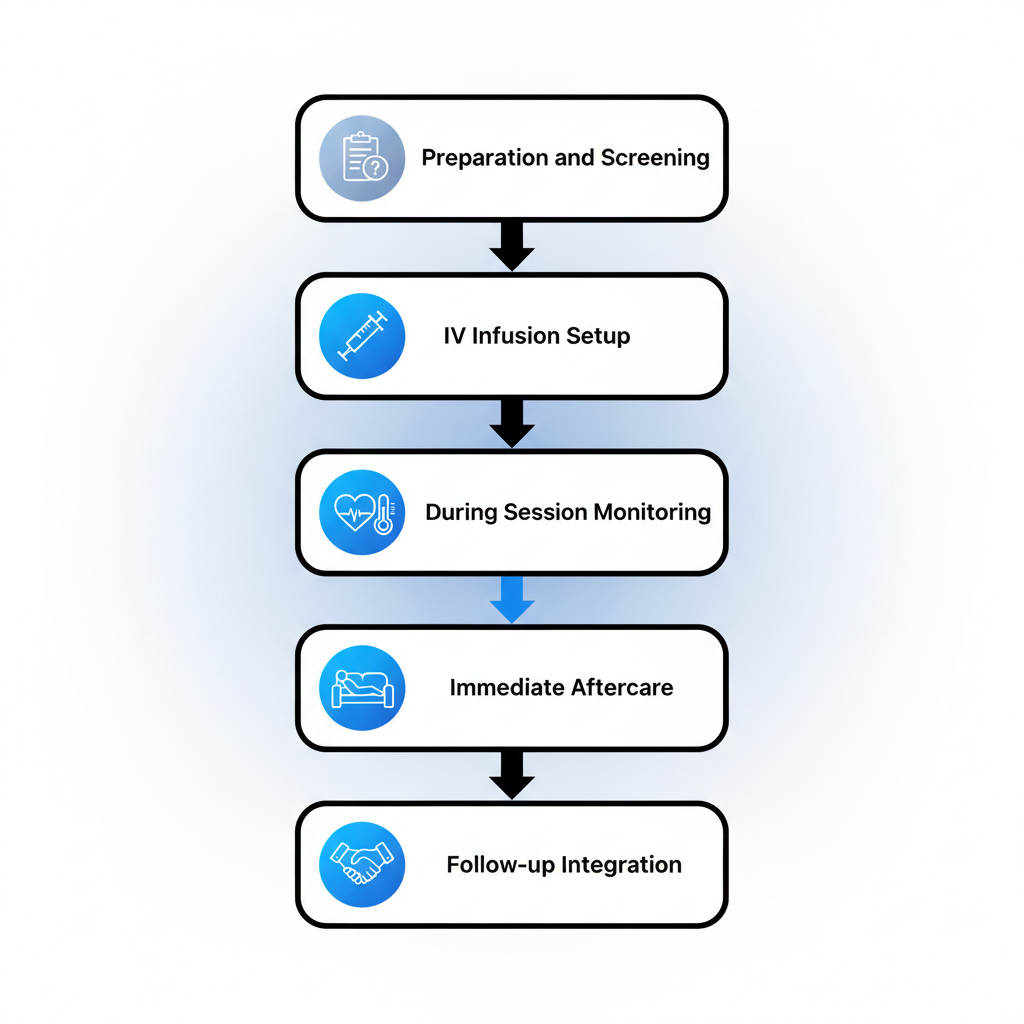
Ketamine treatment process steps at Charleston Ketamine Center
During and After Infusion Protocols
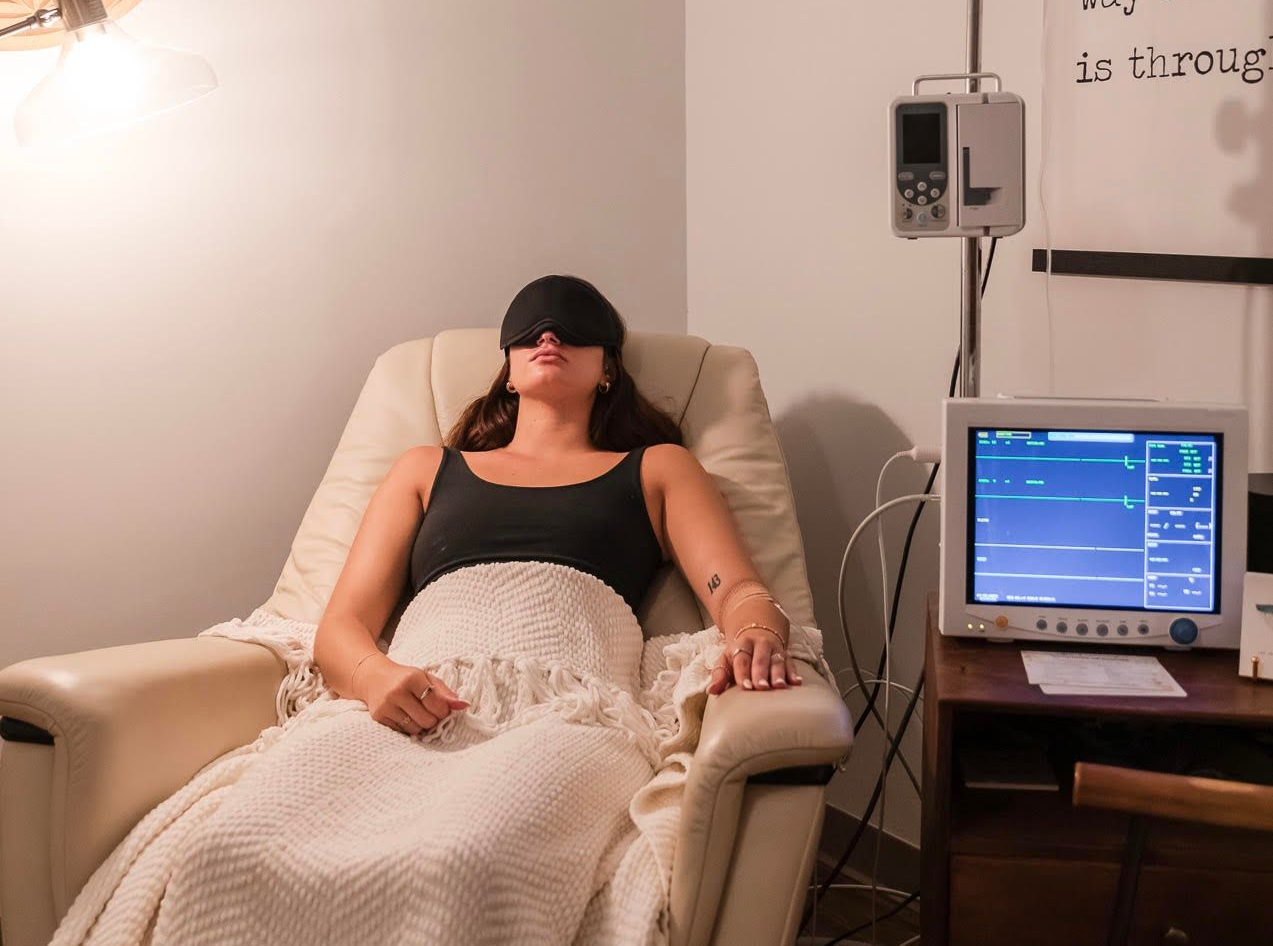
During iv ketamine for bipolar sessions at the Charleston Ketamine Center, patients relax in comfortable recliners within a calming environment. Each iv infusion therapy lasts 40 to 60 minutes, administered under continuous medical supervision to monitor vital signs and comfort levels. Expect dissociative sensations or mild dizziness, which typically resolve quickly.
The center recommends a series of 6 to 8 bi-weekly infusions for optimal results, with adjustments based on response. Manage common side effects like nausea by staying hydrated and using provided anti-emetic options if needed. Anodyne Healthcare's guide stresses deep breathing techniques during the session to ease any discomfort.
Post-infusion, rest for 30 minutes in the recovery area before heading home do not drive. Follow post-ketamine recovery protocols by avoiding strenuous activities that day and journaling mood changes. Hydration and light meals aid recovery, supporting sustained benefits from the treatment.
Integrating with Local Support Resources
Integrating ketamine for bipolar depression with local resources in the Charleston area enhances outcomes through holistic care. Combine infusions with cognitive behavioral therapy from nearby providers, such as those at the Medical University of South Carolina, to reinforce neural plasticity gains.
Lifestyle adjustments like regular exercise along the Lowcountry trails or mindfulness groups at Charleston community centers complement therapy. The center advises weekly check-ins with Dr. Ripley to track progress and refine protocols. For ongoing support, explore peer groups via the National Alliance on Mental Illness (NAMI) Charleston chapter.
This multifaceted approach, inspired by Clearmind's integration strategies, promotes lasting stability. Patients often report reduced depressive episodes within weeks when pairing medical and behavioral elements. Reach out at coastalketaminechs@gmail.com for referrals to trusted local therapists, ensuring personalized continuity in your bipolar management journey.
Next Steps in Your Journey with Ketamine Therapy
As you conclude this guide, reflect on the promising role of ketamine treatment for bipolar in managing treatment-resistant cases. Research from long-term studies, such as those detailed in a PMC article on ketamine, highlights its safety profile, rapid antidepressant effects, and potential to alleviate severe symptoms when traditional therapies fall short. For individuals facing bipolar depression, ketamine for anxiety and related mood challenges often respond well to IV ketamine for bipolar, offering a transformative bipolar care option that promotes neural plasticity and emotional stability.
At Charleston Ketamine Center in Mount Pleasant, South Carolina, precision dosing and supervised infusions ensure personalized local ketamine solutions tailored to your needs. This outpatient clinic stands as a leader in innovative mental health treatments, blending ketamine therapy with medical aesthetics services like neurotoxins and HydraFacials for holistic wellness. Schedule your free consultation today by emailing coastalketaminechs@gmail.com or calling (843) 324-6726 to discuss how IV ketamine for bipolar depression near Charleston can fit into your care plan.
Embracing these advancements opens doors to renewed hope and improved quality of life. With evidence-backed efficacy and empowered choices, your journey toward stability and vitality awaits.