


Ketamine Infusion - Resources
Ketamine Assisted Psychotherapy
Ketamine Infusion Therapy
What Is Ketamine Infusion Therapy: Treatment for Depression and Anxiety
Modern mental health care is undergoing a profound transformation as traditional pharmacological approaches are supplemented by rapid-acting neurobiological interventions. At the forefront of this shift is the clinical application of ketamine, a dissociative anesthetic that has been repurposed to address treatment-resistant mood disorders. By focusing on neural plasticity and synaptogenesis, these specialized protocols offer hope to individuals for whom standard antidepressants have proven ineffective. In specialized centers, patients can access a sophisticated environment where medical precision meets therapeutic support, ensuring that the journey toward mental wellness is both safe and effective.
The Fundamentals and Mechanisms of Ketamine Infusion Therapy
To understand the rise of this intervention, one must first define what is ketamine infusion therapy. This medical procedure involves the administration of low-dose ketamine directly into the bloodstream under strict clinical supervision. Unlike oral medications that must pass through the digestive system, a ketamine infusion allows for 100% bioavailability, meaning the medication reaches the brain immediately to begin its work.
The primary inquiry for many is how ketamine therapy works for depression and related disorders. Traditional antidepressants typically target monoamines like serotonin or norepinephrine, often taking weeks to manifest results. In contrast, ketamine acts on the glutamate system, specifically the NMDA receptors. By modulating glutamate, ketamine triggers the release of brain-derived neurotrophic factor (BDNF), which facilitates the repair of damaged neural pathways. This process of synaptogenesis allows the brain to "rewire" itself, providing a rapid lift in mood and a significant reduction in suicidal ideation. Consequently, using ketamine for depression has become a cornerstone of modern psychiatric intervention for those in acute distress.
Clinical Expectations and the Patient Experience
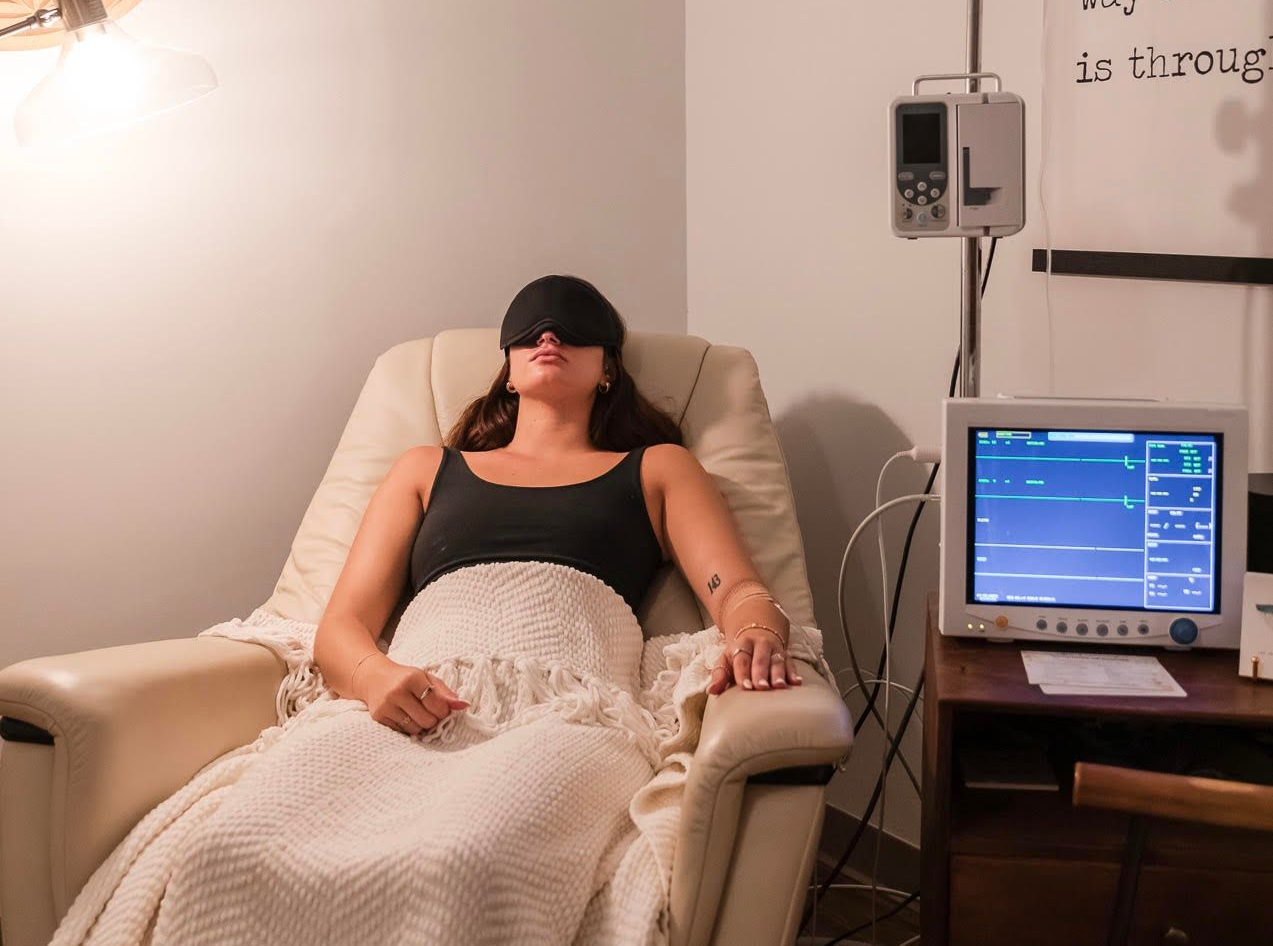
When beginning a ketamine infusion therapy protocol, patients often wonder about the logistical and sensory aspects of the treatment. Generally, a single session of iv ketamine therapy lasts approximately 40 to 60 minutes, though patients are encouraged to remain in the clinic for an additional period for observation. During the treatment, it is common to experience a range of sensations. Many describe a feeling of weightlessness, mild dissociation, or a peaceful "floating" sensation. These effects are temporary and are considered a standard part of the dissociative experience that helps detach the mind from ruminative thought patterns.
Safety is a paramount concern, and prospective patients frequently ask about the potential side effects of ketamine infusion sessions. While generally well-tolerated, some individuals may experience transient nausea, increased blood pressure, or slight dizziness during the procedure. Because all infusions are conducted under licensed medical supervision, these side effects are closely monitored and can be managed in real-time. The protocol for ketamine for anxiety and depression typically involves an initial "stabilization" phase, which usually consists of six infusions administered over a two-to-three-week period. This frequency is designed to maximize the cumulative effects of neural repair before moving into a maintenance phase.
Integrating Psychology through Ketamine Assisted Psychotherapy
While the biological impact of the medication is significant, the psychological framework surrounding the experience is equally vital. This brings us to ketamine assisted psychotherapy, a modality that combines the neuroplastic benefits of the drug with professional counseling. This approach works by utilizing the "window of plasticity" created by the ketamine to dive deeper into therapeutic processing. When the brain is in this flexible state, patients find it easier to discuss traumatic memories or break through long-standing cognitive distortions.
The conditions treated by ketamine assisted psychotherapy extend beyond major depressive disorder to include PTSD, generalized anxiety, and even support for alcoholism. By pairing the chemical intervention with talk therapy, the benefits become more durable. Is ketamine assisted psychotherapy safe? When performed in a controlled outpatient clinic with licensed practitioners, it is considered a highly safe and efficacious treatment. The synergy between the medicine and the psychological support helps patients not only feel better but also develop the emotional tools necessary for long-term stability.
The Role of Personalized Dosing and Supervision
A critical component of success in this field is precision dosing. Every patient’s neurochemistry is unique, and a one-size-fits-all approach is rarely effective. Medical directors use personalized assessments and medical screenings to determine the exact dosage required to achieve the therapeutic threshold without over-sedation. This clinical oversight ensures that the use of ketamine for depression and ketamine for anxiety is tailored to the individual’s specific symptom profile and physiological tolerance.
Synthesis of Mental Wellness and Medical Excellence
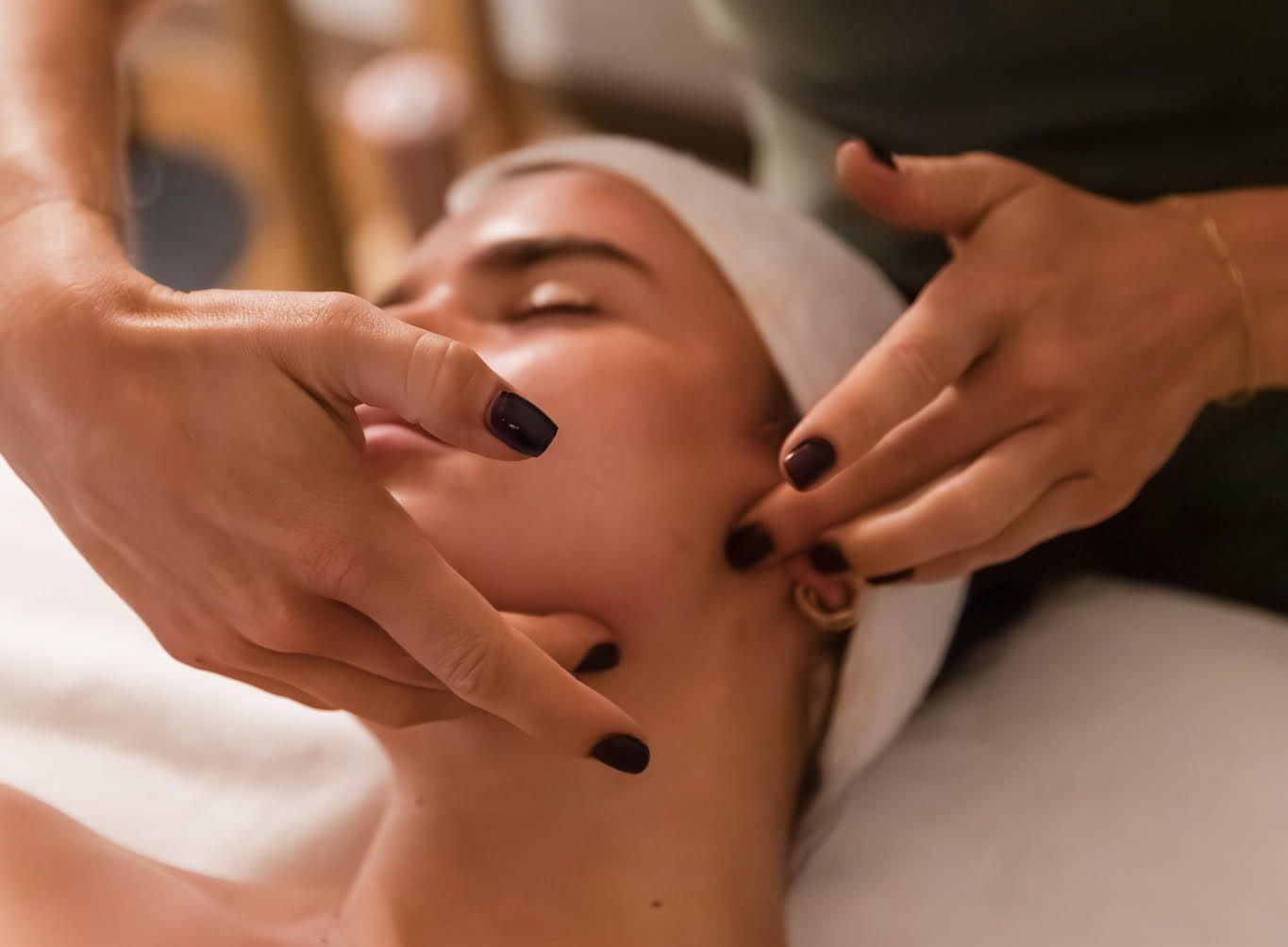
The intersection of ketamine infusion and therapeutic support represents a new frontier in healthcare. By addressing the biological roots of mood disorders through ketamine infusion therapy while simultaneously offering avenues for psychological growth, clinics can provide a holistic recovery path. This dual focus is often complemented by medical aesthetics, recognizing that self-confidence and mental health are frequently intertwined. Whether through repairing neural pathways or enhancing one’s physical appearance with advanced aesthetic procedures, the goal remains a comprehensive improvement in the patient’s quality of life.
In conclusion, understanding the nuances of ketamine-based treatments allows patients to make informed decisions about their mental health journey. From the rapid relief provided by IV protocols to the deep emotional work facilitated by integrated psychotherapy, these interventions offer a robust alternative to conventional methods. As clinical research continues to validate these practices, the integration of precision medicine and compassionate care will remain the gold standard for treating the most challenging psychiatric conditions in an outpatient setting.
Additional Resources:
In Home ABA Therapy Services Charlotte NC
Suite 400 Charlotte North Carolina
(980) 501-1222 (1ABA)
littleachieversaba.com


HSA in Canada
Midtown Private Dermatology Practice